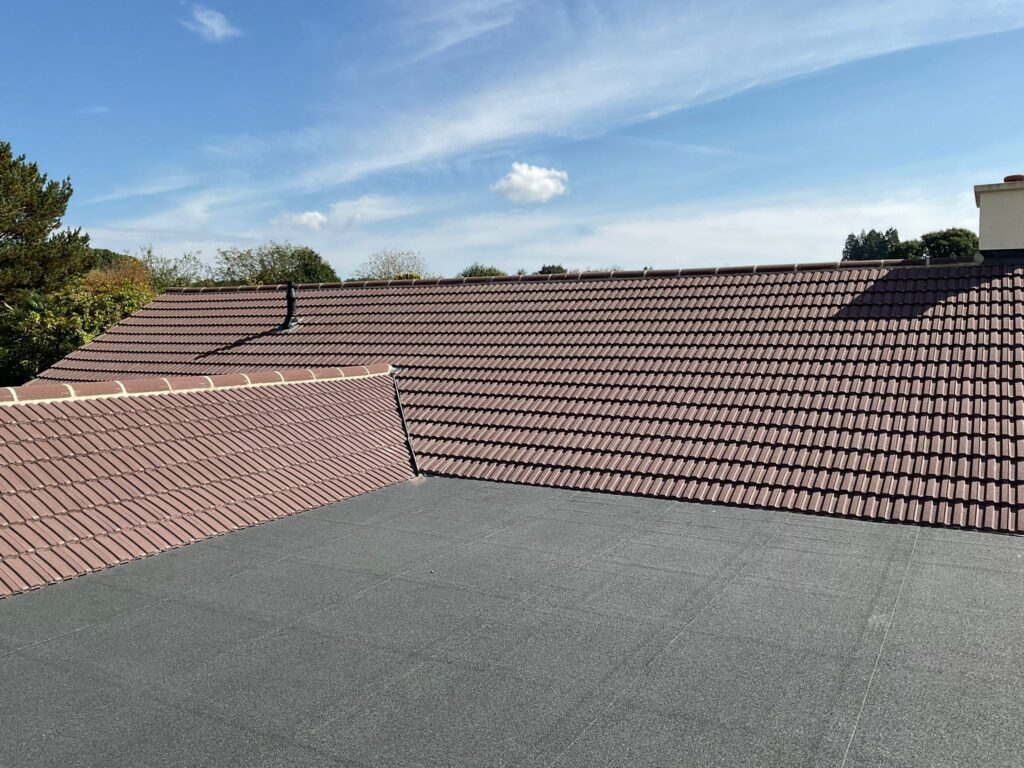
A roof leak that returns after a repair can be frustrating, especially when the source of the water is not immediately obvious. While replacing a damaged tile or sealing a visible gap may resolve some problems, recurring leaks often indicate that the original cause has not been fully addressed.
For homeowners in Uxbridge, Middlesex, identifying the source of repeated water ingress is essential to preventing further damage to ceilings, insulation and roof timbers. LS Roofing Uxbridge can inspect the affected areas, investigate possible causes and recommend suitable roof repairs based on the condition of the roofing system.
What Should Be Inspected When a Roof Leak Keeps Returning?
1. Damaged or Displaced Roof Tiles
Cracked, broken or slipped tiles can leave gaps that allow rainwater to penetrate the roof covering. Even if a damaged tile has been replaced, nearby tiles may also be loose or deteriorating, allowing water to enter through another point.
A roofer should inspect the surrounding tiles as well as the area where the leak appears. This helps establish whether the problem is isolated or part of a wider issue affecting the roof covering.
2. Flashing Around Chimneys and Roof Junctions
Flashing seals vulnerable joints where the roof meets structures such as chimneys, walls and roof extensions. Over time, flashing can crack, lift or deteriorate, creating openings for water to enter.
These areas deserve particular attention when a leak repeatedly appears near a chimney breast, ceiling corner or external wall. Applying sealant to the visible gap may not provide a lasting solution if the flashing itself has failed or the surrounding materials have deteriorated.
A thorough inspection can establish whether the flashing needs repairing, resecuring or replacing.
3. Roof Valleys and Water Drainage Routes
Roof valleys channel rainwater down towards the gutters. Because they collect water from adjoining roof slopes, any obstruction, damage or deterioration can increase the risk of water entering the property.
Leaves and other debris can restrict the flow of water, while damaged valley linings or poorly sealed joints may allow moisture beneath the roof covering.
If leaks occur during heavy rainfall, inspecting these drainage routes can help identify whether water is overflowing, collecting in the wrong places or entering through a damaged section.
4. Underlay and Roof Battens
The outer roof covering provides the first line of defence against the weather, but the materials beneath it also play an important role. Underlay offers an additional layer of protection, while battens support the roof tiles or slates.
If the underlay has torn, deteriorated or become displaced, water may reach the roof structure even when the tiles appear relatively sound. Damaged or decaying battens can also affect how securely the roof covering is supported.
Where a leak continues despite visible repairs, checking the materials beneath the surface may be necessary to establish the full extent of the problem.
5. Gutters and Downpipes
A recurring leak near the roof edge may be linked to blocked or damaged gutters rather than a defect in the roof covering itself. When gutters become clogged or their joints fail, rainwater can overflow and travel behind fascia boards or down external walls.
Check for signs such as overflowing gutters during rainfall, sagging sections, loose brackets or water staining around the eaves.
Clearing an obstruction or repairing a leaking joint may resolve the issue, but persistent water ingress should be investigated to determine whether other parts of the roofline have also been affected.
6. Roof Ventilation and Condensation
Not every damp patch or water mark is caused by rain entering through the roof. Poor ventilation can allow moisture to accumulate in a loft, leading to condensation on cold surfaces.
Condensation may resemble a roof leak, particularly when dampness appears around roof timbers or insulation. The timing and location of the moisture can help distinguish between the two problems, although a professional inspection may be needed to confirm the cause.
Correctly identifying the source is important because repairing tiles or flashing will not resolve a condensation problem.
7. The Roof Structure and Signs of Hidden Damage
Water that enters through a small opening can travel along timbers or other materials before becoming visible inside the property. This means the damp patch on a ceiling may be some distance from the actual entry point.
A roofer should check for signs of damaged timber, persistent dampness, staining and deterioration around the affected area. If structural damage is suspected, further investigation may be required before the repair can be completed.
Finding these problems early helps ensure the work addresses both the source of the leak and any resulting damage.
Why Do Roof Leaks Often Return After Repairs?
Recurring leaks can occur when the original repair treats a symptom rather than the underlying cause. For example, replacing one tile may not resolve water entering through damaged flashing nearby. Similarly, sealing a joint may only provide a temporary improvement if the surrounding material has deteriorated.
Water can also follow an indirect route through the roof structure, making the true entry point difficult to identify without inspecting the wider area.
A methodical assessment considers the roof covering, junctions, drainage and underlying materials rather than focusing solely on where water appears indoors.
How LS Roofing Uxbridge Can Help
If your roof continues to leak despite previous repairs, LS Roofing Uxbridge can inspect the affected area and investigate the likely source of the problem. By assessing the condition of the roof and its vulnerable points, the team can recommend appropriate repairs designed to address the cause rather than simply the visible symptoms.
Avoid climbing onto the roof yourself, particularly in wet or windy conditions. A professional inspection provides a safer way to establish what needs attention.
Conclusion
A recurring roof leak may be caused by damaged tiles, failing flashing, blocked gutters, deteriorated underlay or condensation within the roof space. Identifying the correct cause is essential to choosing a repair that resolves the problem effectively.
If you are experiencing repeated leaks at your property in Uxbridge, Middlesex, contact LS Roofing Uxbridge to arrange an assessment and find out what needs to be inspected to help keep your roof weatherproof.
Call us on: 01895 917 996
Click here to find out more about LS Roofing Uxbridge
Click here to complete our contact form and see how we can help with your roofing needs.